

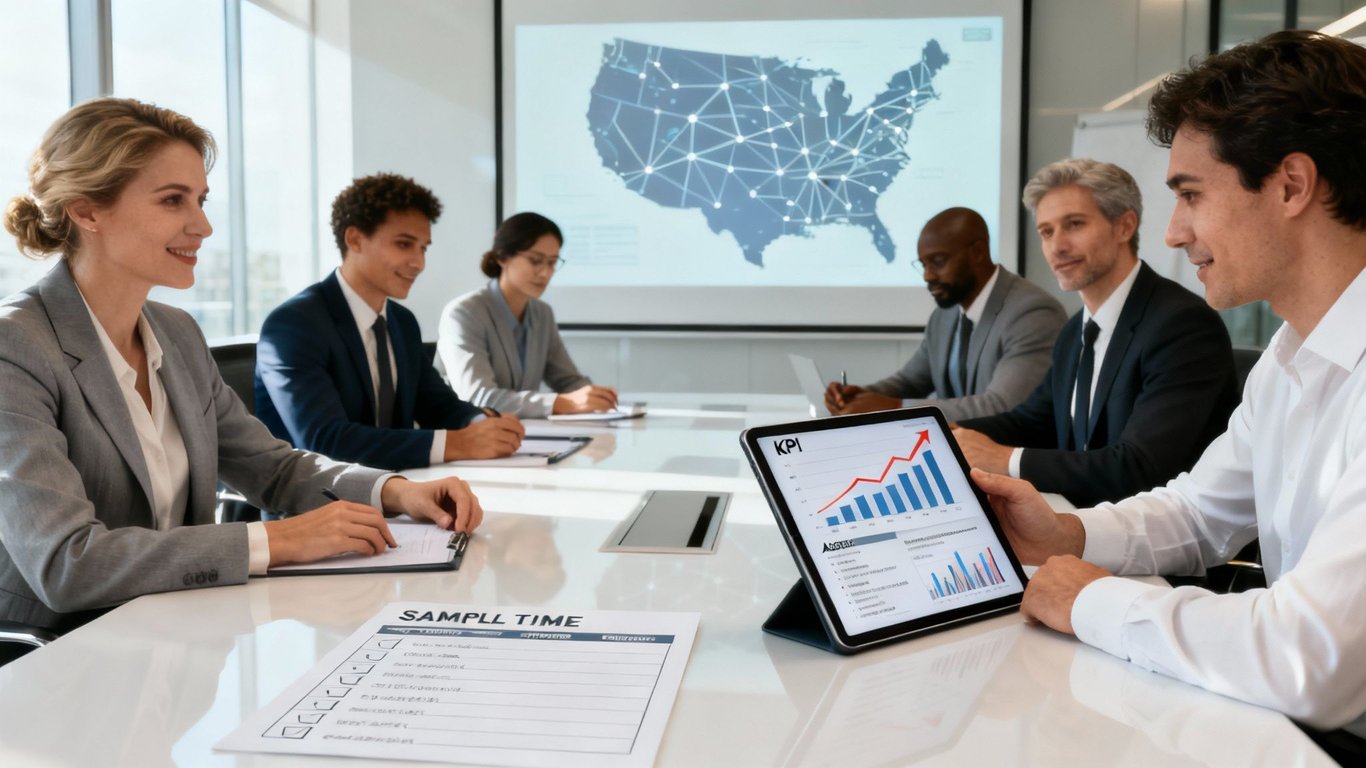
A national sales meeting is more than just an annual get-together. It is a critical opportunity to unite the entire team, align on strategic goals, and share effective field strategies. This is the one time of year you get all your reps from every territory in the same room (or on the same call) to learn, connect, and prepare for the year ahead. When executed correctly, it aligns and motivates the entire organization.
Why Your National Sales Meeting Needs a Strategic Overhaul
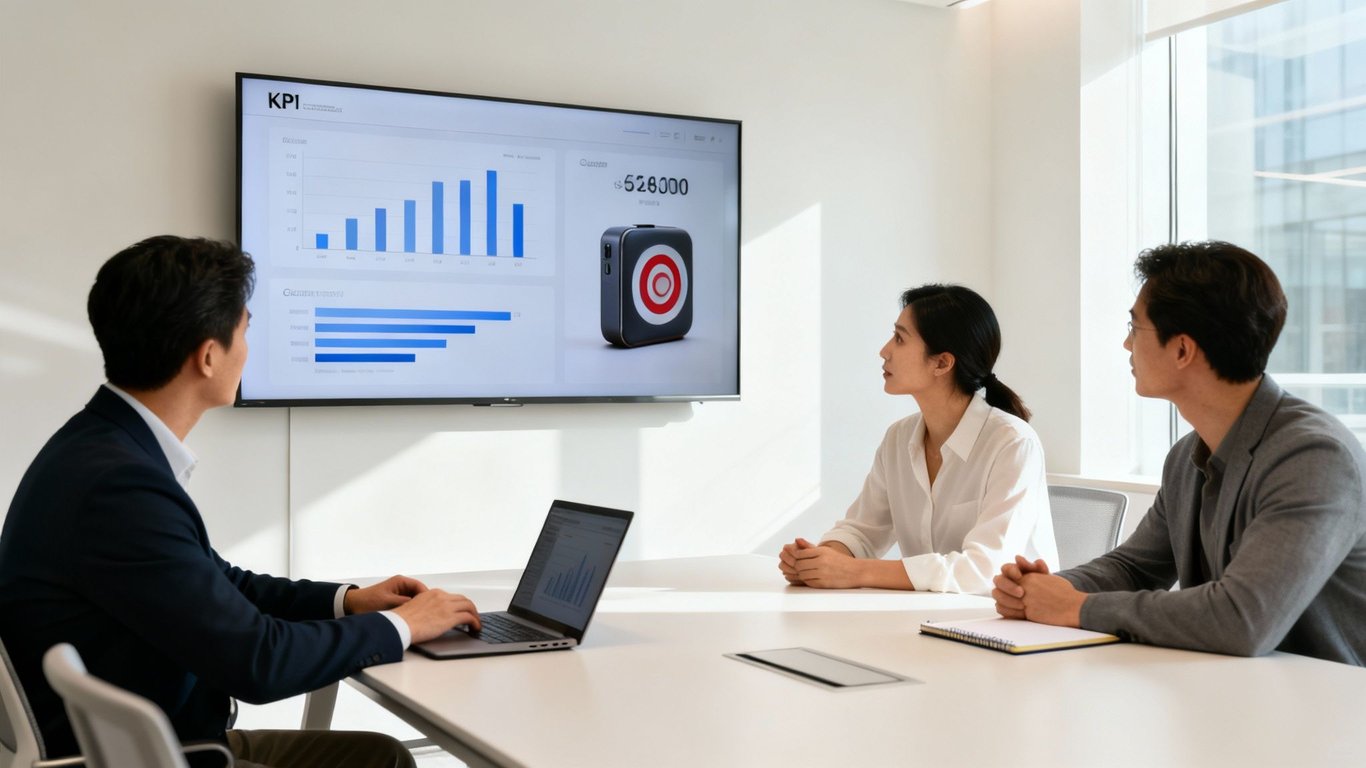
For too many companies, the national sales meeting is treated like an obligation—a line item on the budget that has to be checked off. This mindset leads to stale agendas, disengaged teams, and a questionable return on investment. It is time to stop thinking of this as an expense and start treating it as a powerful driver of business growth.
Today’s sales environment demands more than a motivational speech and a quick PowerPoint on new product features. A strategic overhaul means shifting your focus from just hosting a meeting to meticulously designing it to achieve specific, measurable business outcomes.
Aligning Your Meeting with Core Business Goals
Your meeting needs a mission, and that mission must be directly linked to your company's highest priorities for the next 12 to 18 months. Before considering a venue or catering, your leadership team must answer one critical question: "What is the single most important thing we need our sales team to achieve this year?"
The answer to that question becomes the guiding principle for your entire event. Everything else flows from it.
For instance, your core objective could be:
- Launching a new flagship product: The meeting then becomes an intensive training ground. Focus on competitive positioning, defining ideal customer profiles, and conducting hands-on demos. The goal is to make every rep a credible expert from day one.
- Capturing market share in a new vertical: In this case, your sessions need to focus on market analysis, deep dives into buyer personas for that industry, and role-playing scenarios that address their unique pain points and objections.
- Driving adoption of a new CRM: Instead of a tutorial, the agenda should feature interactive workshops and success stories from early adopters who can show how the tool helps close deals. The objective becomes clear: 100% adoption within 90 days of the meeting.
This approach changes the perspective. Your meeting is no longer a cost center; it is a critical part of your go-to-market strategy. Every speaker, breakout session, and activity has a clear purpose that contributes to a tangible business goal.
Establishing KPIs That Prove ROI
Once you have established your primary objective, you must determine how you will measure success. This goes beyond vanity metrics like attendance numbers or satisfaction surveys. To prove the meeting's value, your Key Performance Indicators (KPIs) must be tied directly to the business goals you have set.
The real value of a national sales meeting is not measured in the energy generated during the event, but in the measurable actions and results it produces in the following quarters.
Here are examples of KPIs that provide meaningful insight:
- Lead Generation: Track the number of qualified leads for the new product generated within 60 days post-meeting.
- Sales Cycle Velocity: Measure the average time to close deals in the new target vertical and compare it to your pre-meeting baseline.
- Tool Adoption: Monitor the percentage of reps actively using the key features of the new CRM three months after launch.
- Revenue Growth: Directly attribute revenue from the new product line to the reps who attended specific training sessions.
This data-driven approach provides concrete evidence of the event’s impact. In a world of rising costs, that proof of ROI is critical. According to recent industry surveys, 74% of corporate event planners cite rising costs as a major barrier, even as 52% expect travel budgets to increase in 2025.
The takeaway is clear: companies are willing to invest, but they demand a clear return. A strategic, KPI-focused approach is not just a good idea—it is a necessity. You can find out more about the outlook for corporate meetings and how to justify your budget in this landscape.
Designing an Agenda That Engages Your Sales Team
A successful national sales meeting tells a story. Every session, from the opening keynote to the final awards dinner, should feel like a connected chapter. Your agenda is not just a schedule; it is the script that guides your team through that story, ensuring they leave informed and motivated.
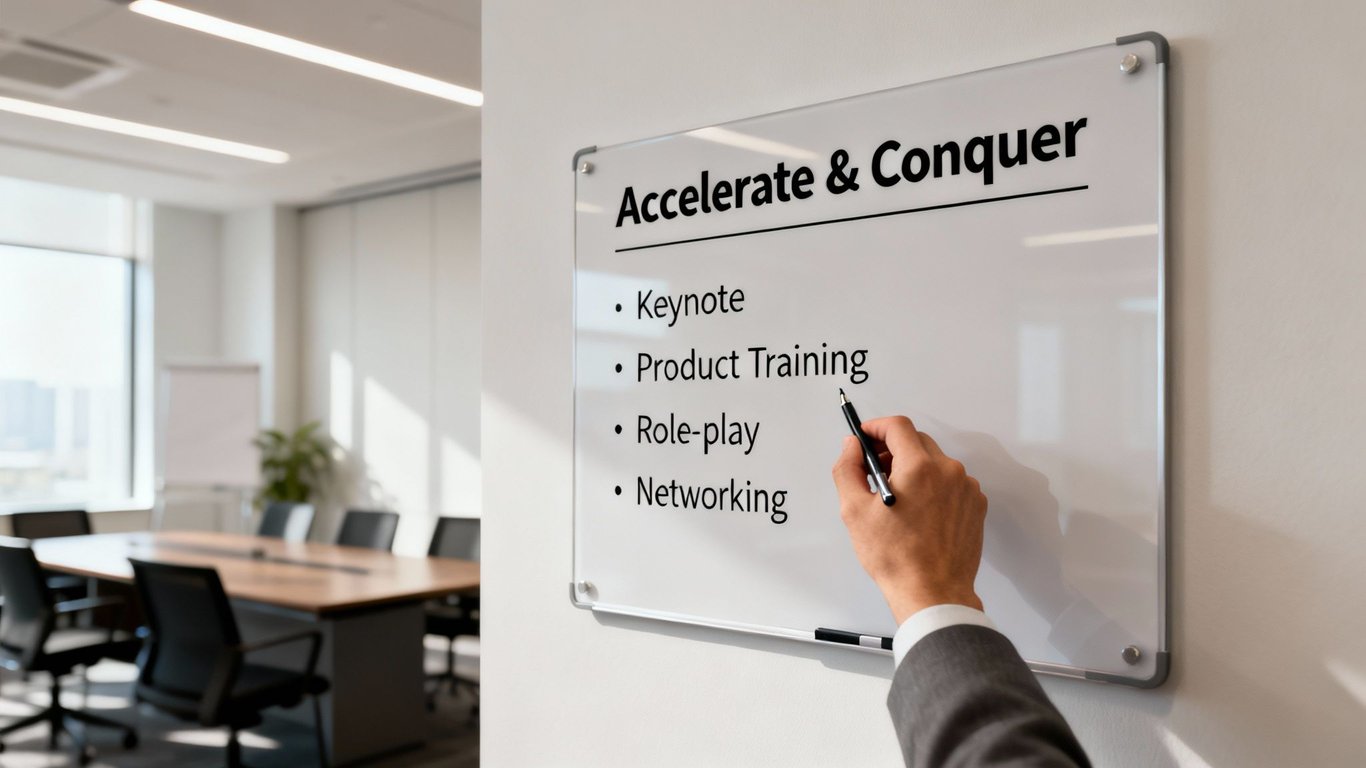
That script must start with a strong theme. The theme serves as the narrative glue holding everything together, giving purpose and direction to every agenda item. Instead of a generic "Q3 Kickoff," consider a theme like "Accelerate & Conquer" for a year focused on aggressive market expansion. This simple phrase frames every conversation and turns a product update into a session on arming your team with new tools to outperform the competition.
Crafting a Winning Theme and Message
A powerful theme is more than a catchy slogan—it is a strategic decision that mirrors your primary business objective for the year. It must be simple, memorable, and directly tied to the goals you need your sales force to achieve.
Here is how to translate a high-level business objective into a theme that resonates:
- Objective: Increase cross-selling of a new service to existing manufacturing clients.
- Theme Idea: One Team, Total Solution. This emphasizes collaboration between product specialists and account managers. The agenda would then feature joint presentations and workshops focused on integrated selling.
- Objective: Improve customer retention in a highly competitive market.
- Theme Idea: Champions of Value. This shifts the focus from price to partnership. Agenda sessions would logically include deep dives into customer success stories, workshops on ROI calculation, and hands-on training for consultative selling.
When you take this thematic approach, every part of your national sales meeting reinforces the same core message. You move from a series of disconnected presentations to a unified, purposeful experience.
Building an Agenda That Balances Learning and Connection
A common mistake is cramming the agenda with back-to-back, one-way presentations. Sales professionals learn by doing and connecting, not just by listening. A successful agenda creates a rhythm, balancing intense learning with crucial opportunities for informal interaction.
The goal is to send your team home energized, not exhausted. An effective agenda is as much about what you leave out as what you put in. Prioritize impact over volume to prevent session fatigue and ensure key messages stick.
An agenda for a B2B manufacturing sales team must be practical and hands-on. Instead of lectures, structure your time around activities that build real-world confidence and skills.
Essential Agenda Components for B2B Sales Teams:
- Competitive Deep Dives: Go beyond a simple feature comparison. Dedicate a session to dissecting your top competitor’s sales tactics and marketing messages. Then, use that intelligence to brainstorm counter-strategies as a group.
- Hands-On Product Training: Do not just show them the new product; let them use it. For a new piece of industrial equipment, set up demo stations. For a software update, create a sandbox environment where they can practice.
- Realistic Role-Playing Scenarios: Use scenarios based on real customer objections your team faces daily. Have senior reps or managers play the part of the skeptical buyer to provide immediate, constructive feedback.
- Voice of the Customer Panels: Invite key customers to share their experiences. A moderated Q&A where reps can ask a loyal client why they chose your product—and why they stay—is more powerful than any internal presentation.
This mix of activities keeps energy levels high and ensures the content is directly applicable to their daily work.
A Sample Agenda to Get You Started
Mapping out the flow of a multi-day event can be challenging. This framework is designed to help you balance intense work sessions with networking and downtime, which are critical for success. Use it as a starting point to customize around your specific theme and objectives.
| Sample 3-Day National Sales Meeting Agenda Framework |
|---|
| A flexible template for structuring a multi-day sales meeting, balancing keynotes, training, and team-building activities. |
| Day 1: Vision & Strategy - Morning: Opening Keynote (CEO/VP Sales on year's vision/theme), State of the Business (market trends, performance review). Afternoon: Competitive Deep Dive, Market Opportunity Session. Evening: Welcome Reception. |
| Day 2: Product & Skills - Morning: Product Deep Dive (hands-on training), Voice of the Customer Panel. Afternoon: Skills Workshop (e.g., negotiation, prospecting), Realistic Role-Playing. Evening: Team Dinner. |
| Day 3: Execution & Recognition - Morning: Breakout Sessions (topic-specific tracks), Regional Planning Meetings. Afternoon: Closing Keynote, Awards Ceremony. |
This structure ensures each day has a clear purpose, building momentum from the strategic kickoff on Day 1 to the practical application and customer focus of Day 3.
Preventing Burnout with Strategic Downtime
Do not underestimate the value of unstructured time. Some of the most important moments at any national sales meeting happen during informal conversations over coffee, lunch, or at an evening reception. This is where best practices are shared, cross-territory relationships are built, and a true sense of team unity is forged.
Your agenda must intentionally protect this time. Schedule longer breaks than you think you need and plan at least one casual evening activity that is not mandatory. This gives your team space to decompress, process what they have learned, and connect with their peers on their own terms. By creating this balance, you host an event that truly equips and energizes your team for the year ahead.
Mastering the Logistics Without Breaking the Budget
Even the most brilliant agenda will fail if the execution is flawed. A successful national sales meeting comes down to two things: meticulous logistical planning and a realistic, strategic budget. It is a complex process involving vendors, travel schedules, and contracts, but getting it right creates a seamless experience for your team.
When you manage logistics effectively, every dollar spent enhances the meeting's impact instead of just covering line items. From selecting the right city to negotiating food and beverage minimums, a sharp, strategic approach is essential.
Strategic Site Selection and Venue Negotiation
Where you hold your meeting sets the tone. Selecting the right city and venue is your first major decision, and it will impact your entire budget. This is about more than finding a hotel with enough conference rooms; you must consider accessibility, cost, and the overall environment.
As you evaluate potential locations, here is what is most important:
- Select Hub Cities: Choose cities with major airports that offer direct flights for most of your team. This reduces travel fatigue, minimizes the risk of missed connections, and often saves money on airfare.
- Target Shoulder Seasons: Avoid booking during a city’s peak tourist season. Hosting your meeting during the "shoulder season"—the period just before or after the high season—can result in dramatically lower rates for both the venue and hotel rooms.
- Leverage Venue Partnerships: Ask potential venues about their local partners. They may have preferred vendors for A/V, transportation, or entertainment. Bundling these services through the venue can often unlock discounts.
Once you have a shortlist of venues, it is time to negotiate. Do not accept the first proposal. Everything is negotiable, from room rental fees to A/V pricing. A common area for savings is the food and beverage (F&B) minimum. If your projected spend is slightly below their requirement, ask if they will allow other costs, like A/V or room rental, to be applied toward that minimum.
Building a Realistic Budget for Your Sales Event
A detailed budget is your roadmap for this project. It prevents overspending and forces you to allocate funds where they matter most. A common mistake is underestimating the small, ancillary costs that accumulate quickly.
A solid budget for a national sales meeting must include more than just flights and hotel rooms.
Your budget is not just a spreadsheet of expenses; it is a strategic document that reflects your priorities. Every line item should be justifiable and directly contribute to the meeting's primary objectives.
Your budget template should be broken down into clear, logical categories. Here is a simple structure that works well for B2B sales events:
| Category | Key Line Items |
|---|---|
| Venue & Lodging | Meeting room rentals, attendee hotel rooms, staff rooms. |
| Food & Beverage | Breakfasts, lunches, coffee breaks, welcome reception, awards dinner. |
| Travel | Airfare, ground transportation (shuttles, ride-shares). |
| A/V & Production | Projectors, screens, microphones, Wi-Fi, labor, live streaming tech. |
| Speakers & Content | Keynote speaker fees, internal speaker travel, workshop materials. |
| Miscellaneous | Signage, name badges, awards, team-building activities, contingency fund (10-15%). |
This detailed breakdown allows you to track spending with precision and make smart adjustments if needed. The contingency fund is non-negotiable; it provides a buffer for inevitable surprises without sacrificing the core experience.
Coordinating Travel and Registration for a Large Team
Managing travel and registration for dozens, or even hundreds, of sales reps can become a logistical challenge. The key is to simplify and centralize everything.
Using a dedicated system for event registration is essential. It is the only practical way to gather attendee information, dietary restrictions, and travel details in one place. You can explore a streamlined process for managing rep registration to see how a central platform can reduce administrative burden.
To make travel coordination smoother, provide clear guidelines. Give your reps a firm booking deadline and a clear budget for their airfare. It is also highly recommended to use a preferred travel agency to consolidate all bookings, which provides better visibility and control over spending. This approach saves administrative time and helps ensure everyone arrives on schedule and is ready to participate.
Using Technology to Boost Interaction and Engagement
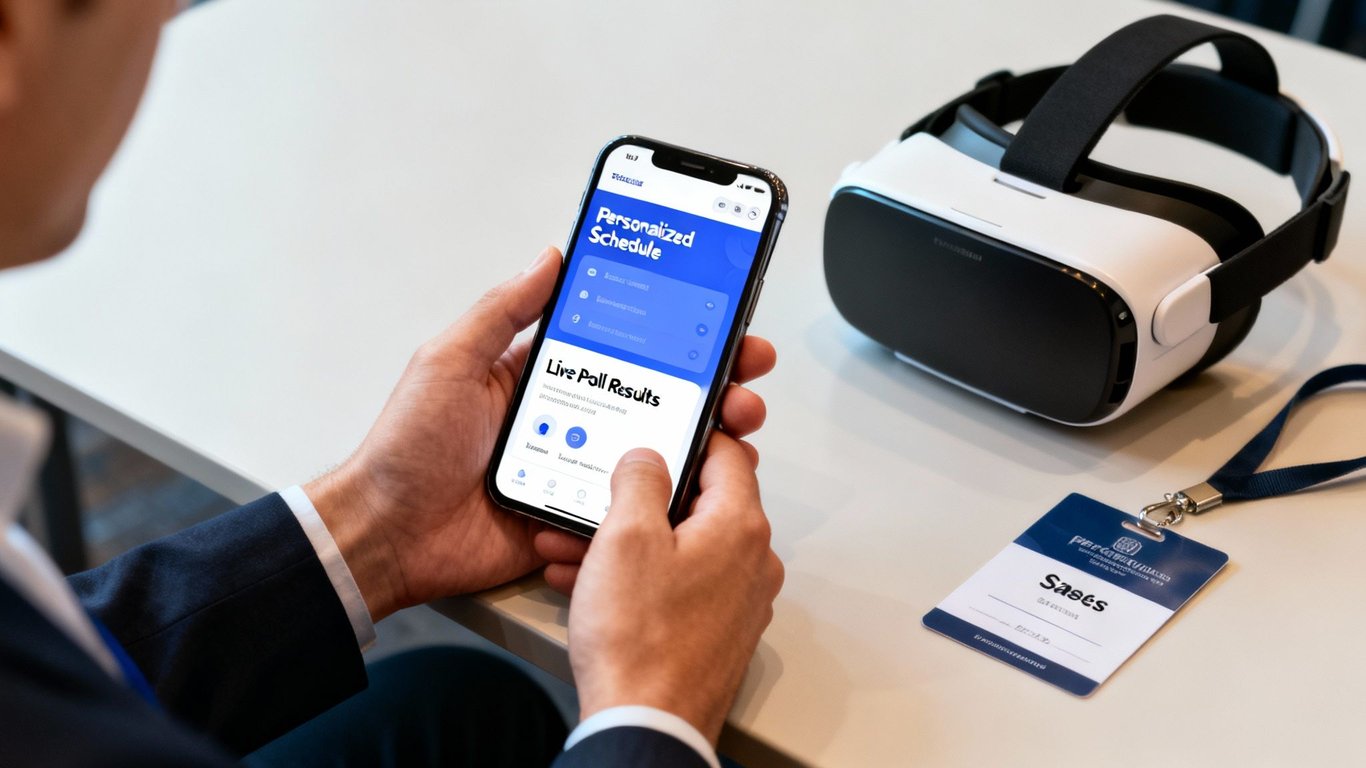
Technology at sales meetings can often feel like a clunky add-on. The key is to make it a seamless part of the experience. Your goal should be to use technology to give every person in the room a voice and turn passive listening into active participation.
When implemented correctly, technology helps your key messages land and stick. This is about moving past a basic slide deck and embracing tools that create connections, gather real-time feedback, and simplify complex information. Whether your meeting is in-person, remote, or hybrid, the right tools will make it more memorable.
Building Your Essential Tech Stack
Think of your tech stack as the digital nervous system for your meeting. It should simplify the experience for attendees while opening new ways for them to engage with the content and each other.
The core of any modern sales meeting is a dedicated event app. This becomes the central hub for everything. A good app does more than display the agenda; it should handle personalized schedules, send push notifications for last-minute room changes, and include networking features. It empowers your team to connect, access session materials, and navigate the venue efficiently.
Beyond the app, a few other tools are critical for a modern sales meeting:
- Live Polling and Q&A: Tools like Slido or Mentimeter can prevent the silence that often follows a presenter's question. You can embed polls and Q&A sessions directly into the presentation, getting instant feedback and making the audience a part of the discussion.
- Digital Whiteboards: For breakout sessions, collaborative tools like Miro or Mural allow teams to brainstorm visually, whether they are in the same room or joining remotely.
- Gamification Platforms: Friendly competition is a great motivator for a sales team. Use a platform to run sales-themed quizzes, create leaderboards for team challenges, or set up a digital scavenger hunt. It is an effective way to reinforce training in an engaging manner.
Immersive Experiences That Reinforce Learning
This is where technology can create hands-on learning moments that a PowerPoint cannot match. For B2B manufacturers, this is an opportunity to bring complex, heavy-duty products to life in the conference room.
Imagine you are launching a massive new piece of machinery that cannot be transported to a hotel ballroom. Instead, you can use Virtual Reality (VR) headsets to give every rep a complete 360-degree product demo. They can walk around the machine, explore its features, and see it working in a simulated environment. That is an experience that sticks.
Technology's greatest value in a sales meeting is not just delivering information more efficiently; it is creating experiences that build confidence. An immersive demo or a gamified quiz helps reps internalize knowledge, making them more effective in the field.
Gamification is another powerful way to make learning stick. Instead of a dry review of product specifications, build a "Sales Jeopardy!" game. Pit teams against each other to answer questions about competitive positioning, pricing, and key features. You instantly transform a mandatory training session into a high-energy, competitive event.
Finding and Preparing Speakers Who Resonate
The speakers can make or break your national sales meeting. A great presenter can ignite a fire in your team, while a poor one can drain the energy from the room. The goal is not just to fill agenda slots; it is to find individuals who can connect, inspire, and deliver a message that sticks.
This means considering a smart mix of internal experts and fresh external perspectives. Your own people have credibility, but a well-chosen external expert can provide a jolt of energy and a new way of thinking.
Cultivating Your Internal Champions
Your most powerful speakers are often already on your payroll. When your CEO lays out the vision for the next year or a top rep walks through how they closed a major deal, the message lands with an authenticity you cannot buy. They live and breathe your culture, and the team knows it.
Do not just default to the C-suite. Some of the most valuable sessions come from unexpected places. Consider a panel of regional sales managers talking candidly about overcoming supply chain hurdles. Or bring in a product engineer to passionately explain why a new feature was developed—that is a story your reps can immediately use with customers.
Who to Tap Internally:
- The Visionary (CEO/VP of Sales): Their job is to set the tone and answer the big "Why?" Why are we here? What are our goals this year? This should be a high-level, forward-looking presentation that builds confidence.
- The Expert (Product/Marketing Lead): This person needs to translate complex product updates or market intelligence into tangible sales tactics. The goal is for reps to leave knowing exactly how to use this information on a sales call.
- The Field General (Top-Performing Rep): This is often the most anticipated session. Having a top performer share their real, in-the-trenches strategies provides instant, peer-to-peer credibility. This is especially powerful if you work with independent reps; their success stories are the ultimate proof of the opportunity. To get the most out of these sessions, it helps to understand what drives commission-only sales reps and their unique motivations.
Selecting the Right External Speaker
While your internal team brings credibility, an outside speaker can offer a fresh perspective that challenges the status quo. They are not tied to your company's "we've always done it this way" thinking, which allows them to introduce powerful new ideas.
When you look for an external speaker, be specific. Do not just book a generic motivational speaker. Find an expert in B2B negotiation, a thought leader in your industry, or someone who can teach a specific, high-value skill. Always ask for video of them in action—not just a highlight reel. You need to see how they command a room and connect with a sales-focused audience.
Choose an external speaker to fill a specific knowledge or skills gap. They should complement your internal message, whether by providing deep industry analysis, teaching a new prospecting technique, or delivering a final, powerful dose of motivation.
Rehearsals are Not Optional
A common mistake companies make is assuming a great speaker does not need to practice. A mandatory dry run is non-negotiable for every person who steps on that stage. This is not about micromanaging; it is about quality control.
A good rehearsal should be a pressure test. Focus on three critical things:
- Message Alignment: Does the presentation directly support the meeting's theme? Is the key takeaway clear and tied to your business goals?
- Timing and Flow: A 45-minute slot that runs long can throw off the entire day's schedule. Time each speaker and be strict about it.
- Delivery and Engagement: Coach speakers to tell stories, not just read bullet points. Remind them to make eye contact and interact with the audience. For virtual or hybrid events, this must include a full tech check on the platform they will be using.
This upfront preparation ensures that every speaker adds real value, leaving your team feeling sharp, motivated, and ready for the year ahead.
How to Measure and Sustain the Meeting's Impact
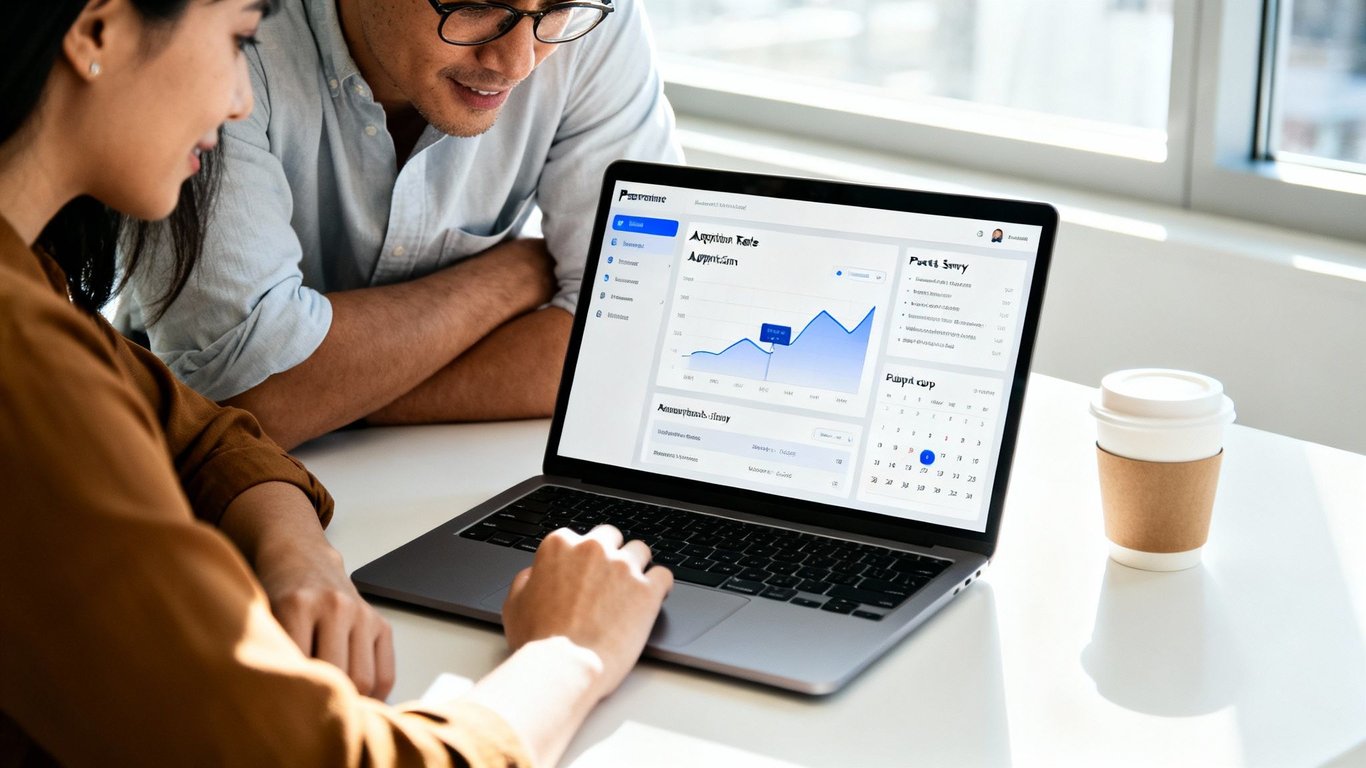
The standing ovation after the final keynote is encouraging, but it does not generate revenue. The real test of your national sales meeting happens in the weeks and months that follow. True success is measured by changes in rep behavior and, ultimately, improved performance.
To prove the meeting was a smart investment, you need a plan to track the right metrics and maintain momentum long after the event ends. This starts by revisiting the objectives set on day one. If the goal was launching a new product, then adoption rates and pipeline are your yardsticks. If it was breaking into a new vertical, you will need to track account penetration.
A great event creates lasting change, not just a fleeting motivational high.
Capturing Immediate Feedback and Long-Term Data
Your first step should be a post-event survey, but that is just the beginning. Feedback on speakers and sessions is helpful for planning next year's event, but the real work is in tracking the long-term KPIs that drive business results.
It is crucial to separate satisfaction metrics from hard data.
-
Immediate Feedback (0-7 Days): Send a survey within 24 hours. Ask pointed questions that gauge confidence and clarity, such as, "On a scale of 1-10, how prepared do you feel to sell our new X-series product after this week's training?"
-
Behavioral Change (30-90 Days): This is where you see if the training is being applied. Are reps using the new CRM features you rolled out? Are they logging more discovery calls in the key industry you highlighted? These leading indicators show that lessons are being implemented.
-
Performance Impact (3-6 Months): Now it is time to connect new behaviors to business results. You should be looking for a measurable lift in your core KPIs, such as a 15% increase in qualified pipeline for the new product or a tangible reduction in the average sales cycle length.
Nothing proves the value of a national sales meeting more effectively than a dashboard that draws a straight line from the training delivered in January to the revenue closed in June.
A Framework for Tracking Post-Meeting KPIs
To prevent this from becoming a data-management challenge, use a simple framework. This helps you focus on what truly matters and makes it easy to report back to leadership on the meeting's ROI.
Here is a practical way to organize your metrics and keep everyone accountable.
Key Performance Indicator (KPI) Tracking Matrix
A table to help measure the short-term and long-term success of the national sales meeting against initial objectives.
| Objective | Short-Term KPI (0-30 Days) | Long-Term KPI (3-6 Months) | Measurement Tool |
|---|---|---|---|
| New Product Launch | 90% of reps complete the online certification module. | $500k in new pipeline generated for the product. | CRM, LMS |
| Increase CRM Adoption | Weekly usage of the new forecasting feature increases by 75%. | 95% of all deals logged using the new process. | CRM Analytics |
| Penetrate New Market | 50+ initial meetings set with target accounts. | 10 new logos closed in the target vertical. | Sales Engagement Platform, CRM |
This type of matrix turns vague goals into a concrete action plan, giving you a clear picture of what success looks like at 30 days and beyond.
Creating a Follow-Up Communication Cadence
The energy from the meeting will fade without a deliberate follow-up strategy. You must actively reinforce the key messages to make them stick. This is not just about follow-up; it is about turning a one-time event into a year-long campaign.
A steady communication cadence ensures your investment continues to pay off.
-
The Recap Email (Week 1): Send a high-energy summary. Include links to presentation decks, recordings of keynotes, and a photo gallery. Reiterate the main theme and the primary call to action.
-
Manager-Led Reinforcement (Weeks 2-4): Your frontline managers are your most important allies. Provide them with a toolkit containing talking points and specific questions to cover in their weekly team meetings. They need to keep the conversation going.
-
Monthly Success Stories (Ongoing): Social proof is highly effective. Use your company’s internal communication channels or monthly sales newsletter to spotlight reps who are achieving success with the new strategies. A quick story about how someone used a technique from a workshop to close a tough deal is highly valuable.
-
Quarterly KPI Review (90 Days): Schedule a formal check-in to review progress against the long-term KPIs you established. This creates accountability and sends a clear message that leadership is serious about seeing a return on the meeting.
Common Questions About National Sales Meetings
How Long Should a National Sales Meeting Be?
Most companies find that a two to three-day event is optimal. This provides enough time to cover keynotes, deep-dive training sessions, and important breakout discussions without causing team exhaustion.
The goal is to strike a balance between structured, high-value content and the informal networking where real team building happens. A shorter event may feel rushed, while a longer one can lead to a drop in engagement.
What Should We Cover at Our Sales Kick-Off?
Think of your sales kick-off (SKO) as setting the tone for the entire year. It needs to be powerful and forward-looking.
While every agenda is different, a solid SKO should always cover these core topics: a transparent review of last year's performance, a clear presentation of the new year's strategic goals, and deep dives into new product lines or market opportunities.
For more ideas on crafting an agenda that resonates, check out the planning strategies in our comprehensive sales blog.
Meeting new goals is impossible without the right people in the right territories. Zilla Sales connects B2B manufacturers with a vetted network of experienced, commission-only sales reps who are ready to hit the ground running.
Post your sales opportunity for free and start getting matched today.
Keep Reading
More insights for high-performance sales teams.

A Modern Guide to B2B Door to Door Companies
Uncover how modern door to door companies work, the real costs, and the risks. Learn about a smarter alternative for fast B2B territory growth.

Mastering Software Sales Training for Elite Reps
Build a world-class software sales training program. This guide details the curriculum, metrics, and tools needed to accelerate revenue with your sales team.

How Does Commission Work in Sales? A Manufacturer’s Guide
Understand how does commission work in sales. This guide explains common structures, calculation examples, and best practices for B2B manufacturing companies.
Ready to find your sales partner?
Join manufacturers who are successfully expanding their territories with our network. Post a listing in minutes and start receiving matches.
✓ Verified Professionals • ✓ No Long-term Contracts