


Finding top-tier sales reps demands a complete shift in thinking. You need to pinpoint your ideal rep profile with surgical precision, find them on the specialized platforms where they are already looking for new lines, and then vet them based on the business and relationships they’ve already built. This is not about posting a job and hoping for the best; it's about connecting directly with proven performers ready to generate revenue immediately.
Why Your Current Sales Hiring Is Broken

If you're a manufacturer or sales leader, you probably know the feeling. You are caught in a frustrating hiring loop. Weeks turn into months as you post on job boards, review a sea of resumes, and conduct endless interviews. Finally, you onboard someone who then needs another six months to ramp up—if they even make it that far.
This old-school hiring playbook is fundamentally out of sync with how fast B2B sales moves today.
The real issue is that standard recruitment is built to find employees, not business partners. It attracts people looking for a steady paycheck and benefits, not the seasoned professionals who bring the single most valuable asset to the table: established buyer relationships.
The High Cost of an Outdated Model
The fallout from this broken system is steep. High churn, empty territories, and missed revenue goals become the norm. When you bring on a W-2 employee, you are making a significant bet on their potential. But what if you could partner with someone based on their proven track record instead?
This is exactly where the independent, commission-only model changes the game. It directly tackles the biggest pain points:
- Slow Time-to-Revenue: A traditional hire has to build their network from scratch. An independent rep with a complementary line card can introduce your product into their existing accounts on day one.
- Misaligned Incentives: A salaried employee collects a paycheck whether they sell or not. A 1099 partner is 100% motivated by results. It’s a true partnership where everyone wins together.
- High Upfront Costs: Recruiting fees, salaries, and benefits all add up to a massive financial gamble before you've seen a single dollar in return. The commission-only structure completely removes that upfront risk.
The problem isn't a lack of talent. It's a fundamental mismatch between old hiring practices and the modern need for immediate market access. You must stop looking for employees and start identifying strategic partners who can generate revenue from day one.
Hiring in sales is a constant. Even in a stable market, the U.S. Bureau of Labor Statistics projects around 1.8 million sales job openings each year, mostly from people leaving the field. You can see the BLS data on sales employment trends for yourself.
For manufacturers, this churn is a given. Keeping territories covered is a never-ending operational challenge. That is why having a faster, smarter, and more effective hiring playbook isn't just a nice-to-have; it's essential for growth.
Building Your Ideal Independent Rep Profile

Before you post an ad or reach out to a single candidate, you must know exactly who you are looking for. A vague, generic job description is a recipe for disaster. To find a sales partner who can hit the ground running, you must build a razor-sharp profile that acts as your primary filter, weeding out the wrong fits from day one.
This exercise is not about listing subjective personality traits like "go-getter" or "team player." It's a strategic process of defining the hard, non-negotiable business criteria that directly predict success in your market. Think of it as a buyer persona, but for your perfect sales partner. A clear profile saves you countless hours by ensuring you only engage with reps who can genuinely move the needle.
Defining Your Core Requirements
These are the absolute must-haves—the pillars that separate a top performer from a time-wasting distraction. Get your leadership team in a room and agree on the specifics for these points:
- Industry Specialization: What specific markets do they operate in? "Manufacturing" is far too broad. Do you need someone from aerospace components, medical device manufacturing, or industrial automation? Be precise.
- Buyer Relationships: Who is already in their network? Specify the exact job titles and departments they have existing relationships with, like procurement managers at automotive Tier 1 suppliers or R&D engineers in the pharmaceutical space.
- Geographic Territory: Pinpoint the states, regions, or even major metro areas where they must already have an active book of business. A rep with deep roots in the Midwest is fundamentally different from one who owns the Pacific Northwest.
- Complementary Product Lines: Review their current line card. What other products are they selling? A rep selling industrial adhesives is a perfect match for a company selling specialized fasteners. Their product portfolio should tell a cohesive story to the same buyers.
The goal here is to create a profile so specific that it intentionally disqualifies 95% of potential applicants. That level of precision is your most powerful tool in finding the right partner fast.
Attracting Established Sales Professionals
Once you have your blueprint, you need to frame the opportunity in a way that resonates with seasoned professionals. Experienced https://zillasales.com/independent-sales-reps are not looking for a "job." They are entrepreneurs evaluating a new product line to add to their business.
They are running a cold, hard analysis based on three critical factors:
- Product Quality and Market Fit: Is your product something they can confidently put their name behind? Is there a clear, urgent need for it among their existing customers?
- Commission Structure: Is the compensation competitive? A strong, uncapped commission plan is non-negotiable. Top reps bet on themselves, and they expect to be compensated accordingly when they deliver.
- Market Potential: What is the real earning potential? You need to show them the total addressable market, your competitive advantages, and success stories from other territories.
To help you get started, here is a checklist of the key components you should define for your ideal rep.
Key Components of Your Ideal Rep Profile
| Component | Description | Example |
|---|---|---|
| Industry Verticals | The specific markets the rep must have sold into successfully. | Medical Device Manufacturing, Food & Beverage Processing |
| Target Buyers | The exact job titles and departments they need relationships with. | VP of Engineering, Plant Manager, Director of Procurement |
| Active Territory | The specific geographic regions where they have an established presence. | States: OH, MI, IN. Key Cities: Cleveland, Detroit. |
| Complementary Lines | Products they currently sell that align with yours. | Industrial sensors, automation software, conveyor systems |
| Sales Cycle Experience | The typical length and complexity of the sales they are used to. | 6-12 month cycle, multi-stakeholder, $100k+ deals |
| Technical Acumen | The level of technical knowledge required to sell your product. | Must understand basic electrical engineering principles. |
Using this framework ensures your profile is a practical tool, not just a theoretical document.
Building this detailed profile forces you to shift your mindset from "hiring an employee" to "recruiting a strategic partner." This distinction is critical because it changes how you source, interview, and ultimately onboard your new representative.
And the timing could not be more urgent. Recent hiring data shows that competition for top sales talent is fierce. One global jobs index revealed that industrial sales vacancies surged by approximately 49.5% month-over-month. With that kind of demand, a vague opportunity will get lost in the noise.
This profile is your North Star for the entire hiring process. It will guide your sourcing strategy, sharpen your interview questions, and empower you to make a data-driven decision that pays dividends for years to come.
How to Source and Engage Top Commission-Only Reps
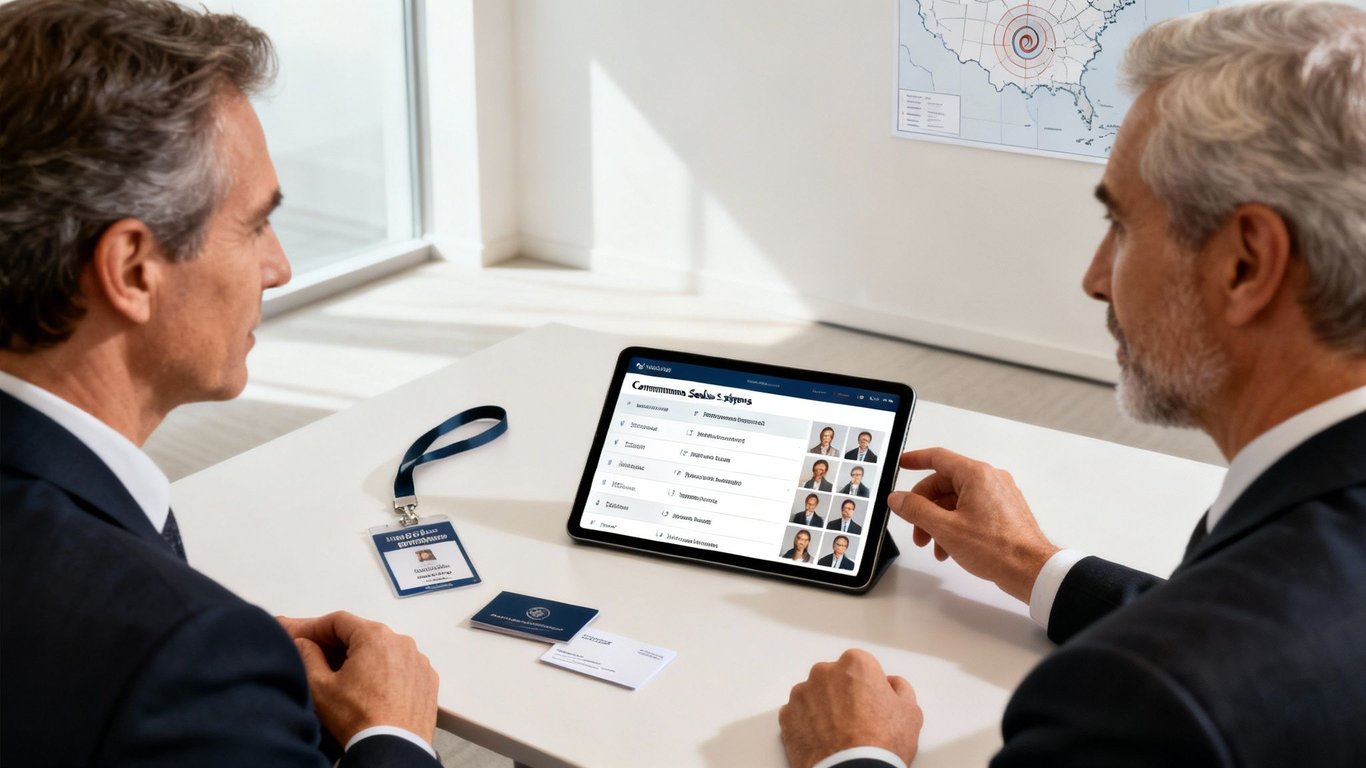
Once you’ve locked in the profile of your ideal rep, the real hunt begins. Finding these professionals is a different game entirely because experienced independent reps are not scrolling through the usual job boards. They are established business owners, not active job seekers.
To get on their radar, you have to go where they are—the places they look for strategic partnerships and new product lines to add to their portfolios. This means ditching the high-volume, low-relevance channels and zeroing in on platforms and networks where the real players operate.
Go Beyond the Standard Job Boards
The first rule of sourcing independent reps is to understand they're evaluating a business opportunity, not applying for a job. Your entire approach has to reflect that mindset shift. Generic platforms are a black hole, flooded with applicants who do not have the specific industry relationships or territory ownership you’re paying for.
You need a more surgical approach. Focus on the environments where reps are actively looking to grow their book of business.
- Specialized Rep Marketplaces: This is your most direct route. Platforms like Zilla Sales are built from the ground up to connect manufacturers with pre-vetted, independent reps. You can filter for talent by industry, territory, and even existing customer relationships, which can slash your search time.
- Industry and Trade Associations: Every major industry has its own associations that host events, publish directories, and maintain tight-knit member networks. Getting involved with groups like the National Electrical Manufacturers Representatives Association (NEMRA) puts you in the same room with the established professionals in your vertical.
- Targeted LinkedIn Outreach: Do not just post a job opening. Use Sales Navigator to pinpoint reps who are already selling complementary—but not competing—products to your target buyers in your desired territories. This lets you craft a highly personalized and strategic pitch.
The reps you actually want aren't looking for work; they're looking for synergy. They want a product line that fits seamlessly into conversations they're already having with buyers they've known for years. Your sourcing strategy must be built around finding that perfect alignment.
This focus on established networks is only becoming more important. As routine prospecting gets automated, the real value a salesperson brings is their relationship capital. Multiple industry analyses predict that salespeople with large existing networks will be highly sought after, since their pre-existing trust and territory knowledge cannot be replicated by technology. You can discover more about future sales predictions on HubSpot's blog and see why this is such a critical trend.
Crafting Outreach That Actually Gets a Reply
How you approach a potential partner is just as important as where you find them. If you send them a corporate job description, it's going straight to the trash. Your outreach needs to be a concise business proposition that speaks their language—the language of an entrepreneur.
Your initial message has to be direct, respectful, and spell out the opportunity clearly. It must immediately answer the three questions every independent rep is asking themselves:
- What’s the product and who buys it? Be specific about what you sell and the market you serve.
- What’s the commission? Be upfront. Top performers are motivated by strong, uncapped earning potential and they value transparency.
- Why would my customers care? Briefly hit on the product's unique value and how it solves a problem for their existing clients.
The difference in approach is night and day. Just look at this example.
Weak Message (Looks like a job ad): "We are hiring a motivated sales professional to join our team. We offer a competitive commission structure and are looking for someone with experience in the industrial automation space to cover the Midwest territory. Apply here."
Strong Message (Looks like a partnership opportunity): "Your experience with industrial sensors is a great fit for our new line of predictive maintenance software. We offer a 20% commission on new sales and are looking for a partner to introduce our solution to your existing contacts in the OH/MI/IN automotive sector. Are you open to a brief call to discuss the product?"
The second approach shows you’ve done your homework, respects their time, and frames the conversation around mutual benefit. When you understand the unique motivations of https://zillasales.com/commission-only-sales-reps, you can craft a message that starts a real conversation instead of just adding to the noise in their inbox.
Vetting Your Next Independent Sales Partner
Hiring a traditional employee is all about looking backward at their past performance. But when you are vetting an independent sales rep, you need to look forward. You are assessing their current business and figuring out how well it can bolt onto yours.
Think about it this way: you are not just bringing on a person; you are partnering with a fully-fledged sales operation. This demands a complete shift in your interview process and the kinds of questions you ask.
The goal here is to get past "gut feelings" and use a solid, repeatable framework. You need to objectively figure out if a candidate has the relationships, the setup, and the business savvy to hit the ground running. When you’re paying on commission, a data-driven approach is the only way to reliably find reps who can deliver results from day one.
Go Beyond the Resume
An independent rep's resume is usually the least interesting thing about them. What really counts is their current book of business, their existing relationships in your target territory, and how neatly your product line slides into their current portfolio.
So, your interview process must be designed to dig deep and uncover those critical details.
Instead of asking about quotas they hit five years ago, you need to focus on what they are doing right now. This is where behavior-based questions are your secret weapon. They cut right through hypothetical answers to reveal how the rep actually operates.
Here are a few questions to get a real sense of a candidate’s potential:
- Territory Penetration: "Which key accounts in the Ohio Valley are you currently calling on that would be a good fit for our industrial pumps?"
- Product Synergy: "Walk me through your current line card. Tell me how our product line complements what you're already selling to plant managers."
- Sales Process: "Describe your playbook for introducing a new product line to your existing customers. What would your first 30-60-90 days look like?"
- Business Acumen: "How do you manage your pipeline and forecast sales when you're juggling multiple lines?"
Questions like these force candidates to show you their value, not just talk about it. Their answers give you a clear window into their strategic thinking and the real, tangible assets they bring to a partnership.
Why You Need a Scorecard System
To keep your evaluation process consistent and objective, you absolutely have to use a scorecard. It’s a simple but powerful tool. It helps you compare every candidate using the exact same criteria, stripping out personal bias and ensuring you’re making a decision based on facts, not just a good conversation.
Your scorecard should be built around the non-negotiables you already defined in your ideal rep profile.
A good scorecard turns an interview from a subjective chat into a structured business assessment. It makes sure every single candidate is measured against the same high bar for territory ownership, industry expertise, and strategic alignment.
The scorecard forces you to put a number on what matters most. For example, a rep who can name five key accounts in your target territory and has a clear plan to approach them is infinitely more valuable than one who just speaks in generalities. This kind of data-driven approach is non-negotiable when you hire sales reps on a commission-only basis.
Interview Scorecard for Independent Reps
This simple template will help you systematically evaluate every candidate. The goal is to find a true partner, and that means scoring them on the criteria that are crucial for a successful commission-only relationship. Just score each category on a scale of 1 (Poor Fit) to 5 (Excellent Fit).
| Evaluation Criteria | Key Questions to Ask | Scoring (1-5) |
|---|---|---|
| Territory Penetration | Which specific accounts are you currently selling into within [Target Territory]? Can you provide examples of your relationships with key buyers there? | |
| Industry Expertise | Describe your experience selling into the [Target Industry]. What are the biggest challenges buyers in this space face that our product solves? | |
| Line Card Synergy | How does our product line fit with the other products you represent? Will this create new opportunities or compete for your time? | |
| Business Acumen | How do you manage your time and prioritize opportunities across your different lines? What does your sales and reporting process look like? | |
| Enthusiasm & Fit | How do you see this partnership contributing to your business goals over the next 12 months? What support do you need from us to be successful? |
This kind of methodical evaluation gives you a clear, side-by-side snapshot of each candidate. It allows you to confidently pick the partner who is not just a good salesperson, but is the right business operator to grow your revenue in a new territory. This is what separates a lucky hire from a strategic one.
Finalizing the Partnership: Agreements and Onboarding That Actually Work

You’ve found them. The rep with the right industry expertise, deep territory connections, and a book of business that’s a perfect fit. Now comes the make-or-break moment: the agreement and the onboarding. This is where a promising handshake turns into a revenue-generating machine.
Forget everything you know about traditional employee paperwork. This is not about HR forms or a basic sales training manual. It’s about arming a seasoned professional with exactly what they need to hit the ground running. Get this part right, and you will see their first commission check—and yours—much sooner.
Crafting a Rock-Solid Independent Contractor Agreement
The independent contractor agreement is the bedrock of your relationship. Think of it less as a legal hurdle and more as a playbook that gets everyone on the same page from day one. A well-written agreement prevents the kind of arguments that can sour a partnership down the road.
Your agreement needs to be fair, motivating, and brutally clear. It should spell out the operational realities of a commission-only partnership, leaving zero room for interpretation.
Here are the non-negotiable clauses you absolutely must include:
- Commission Structure: Be precise. Detail the exact percentage, and specify when commissions are earned (e.g., on paid invoices, not just booked orders). Define the payout schedule. If you offer accelerators for blowing past a quota, spell them out here.
- Territory Definition: Clearly map out the geographic boundaries and list any named accounts. If the territory is exclusive, state it clearly. This single clause prevents countless channel conflicts and turf wars.
- Lead Handling Protocol: What happens when a lead from their territory comes through your website? Outline the process for passing it along, the expected response time, and how it will be tracked.
- Termination Conditions: How does this relationship end if it needs to? Define the notice period and, crucially, clarify how commissions on pipeline deals or recurring revenue will be handled after the split.
Stop thinking of this as a restrictive employment contract. Frame it as a mutual business plan. The goal is to give your new partner the confidence and clarity to do what you hired them for: go out and sell.
This document is your single source of truth. Take the time to get the details right now, and you'll save yourself a world of headaches later.
A Lean Onboarding Plan for a Seasoned Pro
Onboarding an independent rep is a completely different game than training a new W-2 employee. Remember, you hired them because they already know how to sell. A week-long sales boot camp is not just unnecessary; it's a waste of their valuable selling time.
Your mission is to execute a rapid knowledge transfer. Give them the precise tools and product intelligence they need to seamlessly add your line to their sales calls. It should be a concentrated, high-impact process that can be completed in just a few focused meetings.
The Rapid Onboarding Checklist
Follow this game plan to get your new rep selling in days, not weeks.
-
Deep Product Immersion:
- What it is: Get them on a call with your head of product or a lead engineer. This is not a high-level marketing demo. This is a deep dive into the specs, the real competitive differentiators, and the specific problems your product solves better than anyone else.
- Why it matters: They need to be able to talk shop and confidently answer tough questions from technical buyers.
-
Ideal Customer Profile (ICP) Alignment:
- What it is: A strategy session where you walk through your best case studies. Discuss the real-world pain points, the buyer personas you won over, and the business outcomes that sealed the deals.
- Why it matters: This helps the rep immediately scan their existing network and identify the lowest-hanging fruit.
-
Systems & Comms Setup:
- What it is: A quick, practical walkthrough of the essentials. Grant them access to your CRM (or show them how you will share data), provide a link to a shared folder with all collateral, and set a simple communication rhythm, like a bi-weekly check-in call.
- Why it matters: Good systems reduce administrative drag and keep everyone in the loop without resorting to micromanagement.
The Territory Handoff: Give Them a Head Start
The final piece of the puzzle is handing over the territory. Even a top-tier rep can benefit from a running start. Giving them historical data and market intelligence is one of the most powerful things you can do to shorten their ramp-up time.
This is not just a spreadsheet of cold contacts. It’s about providing strategic context. Share notes on past prospects who went dark, intel on key regional players, or known competitive threats. This knowledge transfer shows you’re a true partner and equips them to make an impact from week one.
Finding reps who are eager to absorb this kind of information is key. Many of the best independent reps looking to add new lines to their portfolio can be found when you register your company on a platform like Zilla Sales. It’s a simple way to connect with professionals who are actively looking for their next great product line.
Ultimately, a successful launch boils down to clarity and enablement. A strong agreement prevents confusion, a focused onboarding provides the right knowledge, and a thoughtful handoff gives your new partner the strategic edge they need to start winning.
Frequently Asked Questions About Hiring Independent Sales Reps
Switching to a commission-only sales model brings up many practical questions. If you are used to hiring traditional W-2 employees, you have to shift your mindset from "managing an employee" to "building a partnership." It is a completely different approach.
Getting these details right from the start is what separates a thriving independent sales force from a frustrating, stalled-out one. Here are the most common questions from sales leaders making this move.
What’s a Realistic Commission Rate to Offer?
There is no single magic number, but for most manufacturing roles, you will see commission rates fall somewhere between 10% and 25%. The right rate for your company hinges on your specific situation.
Consider these factors:
- Your Product Margin: If you have healthy margins, you can afford to be more generous. A higher commission is a massive draw for top-tier reps who can pick and choose their lines.
- The Sales Cycle: Is it a long, complex sale that takes months of work? If so, you need a rate closer to 20-25% to make it worth the rep's time and keep them motivated.
- Market Position: If you're a new company trying to break into a crowded market, a higher commission is your best weapon. It gives a rep a compelling reason to push your product over the established brands they already carry.
Conversely, if your product has a quick sales cycle and strong brand recognition, you can probably offer a competitive rate in the 10-15% range. The goal is to find the sweet spot where the rate fuels your business growth and motivates your sales partner to sell.
How Do I Manage an Independent Rep Without Micromanaging?
This is simple: you don't manage them, you partner with them. You hired these professionals for their entrepreneurial spirit and their book of business. Your job is to empower them, not to track their every move. Shift your focus from activity to results.
You brought in an expert for their network and sales savvy. Trust their process. Your role is to arm them with product knowledge, solid marketing support, and a clear strategy so they can go out and win for you.
Here's how to build a framework for success that doesn't feel like babysitting:
- Agree on Simple Goals: Set clear, mutually understood targets. Think quarterly revenue goals or the number of qualified leads added to the pipeline. Keep it straightforward.
- Hold Regular Check-ins: A quick, bi-weekly call is perfect. Use this time to review progress, talk through any roadblocks, and exchange intel from the field. It’s a two-way street.
- Provide Resources, Not Rules: Give them everything they need to succeed—like access to your CRM and a shared drive with the latest sales collateral. Then, step back and let them do what they do best: sell.
What's the Fastest Way to Find Good Independent Reps?
Forget what you know about traditional recruiting. The best independent reps aren't scrolling through job boards; they are business owners looking for their next lucrative product line. To find them, you need to go where they are.
The most direct path is a specialized marketplace built to connect manufacturers with pre-vetted independent reps. These platforms cut right through the noise. You can filter for reps based on the criteria that actually matter—their industry experience, specific territories they cover, and the buyer relationships they already own. It's a targeted approach that drastically cuts down your search time and connects you with professionals who are ready to hit the ground running.
Finding the right independent reps shouldn't feel like searching for a needle in a haystack. With Zilla Sales, you can post your opportunity and get in front of vetted, industry-specific sales professionals actively looking for new lines. Stop staring at empty territories and start accelerating your revenue.
Keep Reading
More insights for high-performance sales teams.

A Modern Guide to B2B Door to Door Companies
Uncover how modern door to door companies work, the real costs, and the risks. Learn about a smarter alternative for fast B2B territory growth.

Mastering Software Sales Training for Elite Reps
Build a world-class software sales training program. This guide details the curriculum, metrics, and tools needed to accelerate revenue with your sales team.

How Does Commission Work in Sales? A Manufacturer’s Guide
Understand how does commission work in sales. This guide explains common structures, calculation examples, and best practices for B2B manufacturing companies.
Ready to find your sales partner?
Join manufacturers who are successfully expanding their territories with our network. Post a listing in minutes and start receiving matches.
✓ Verified Professionals • ✓ No Long-term Contracts